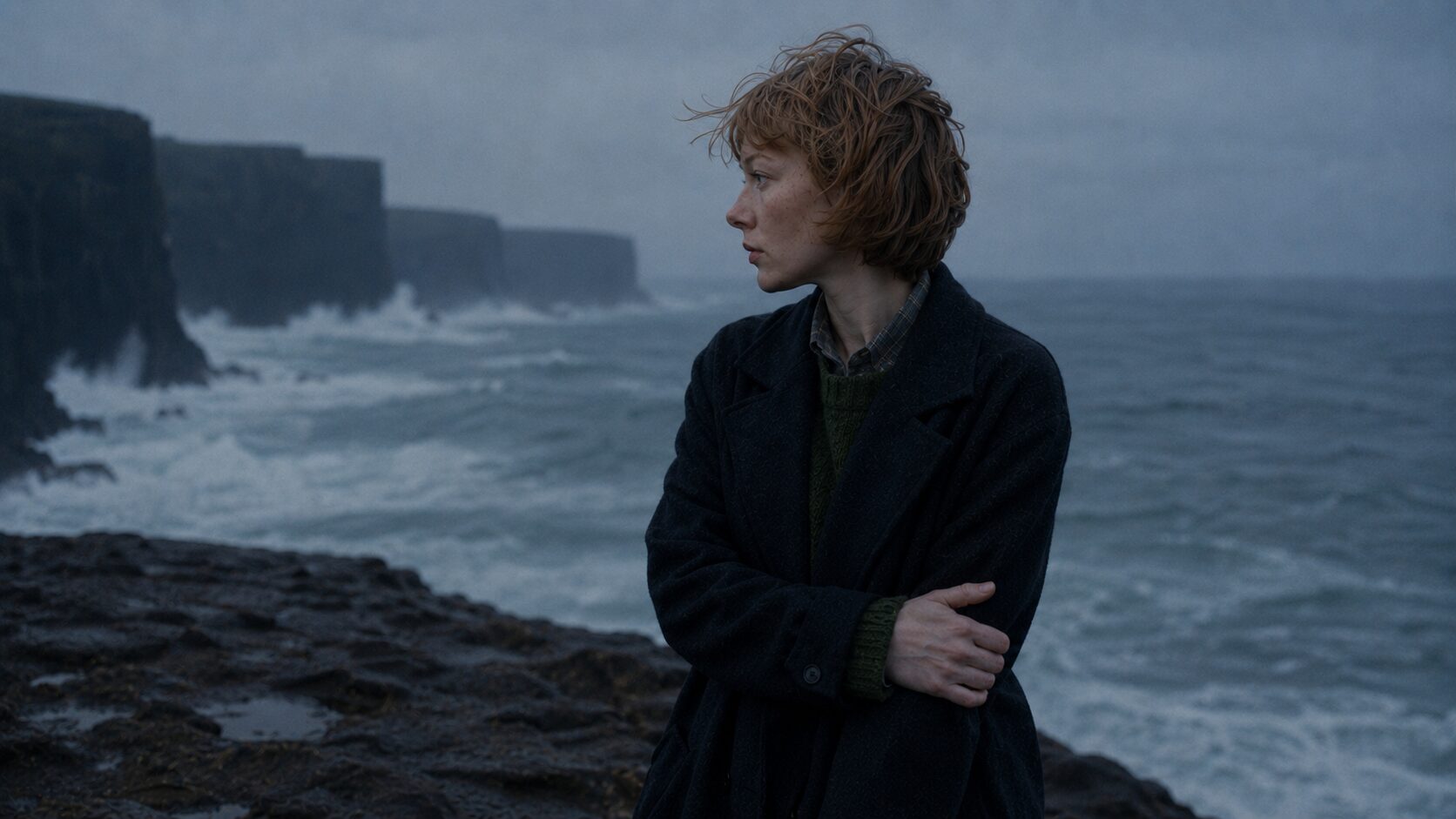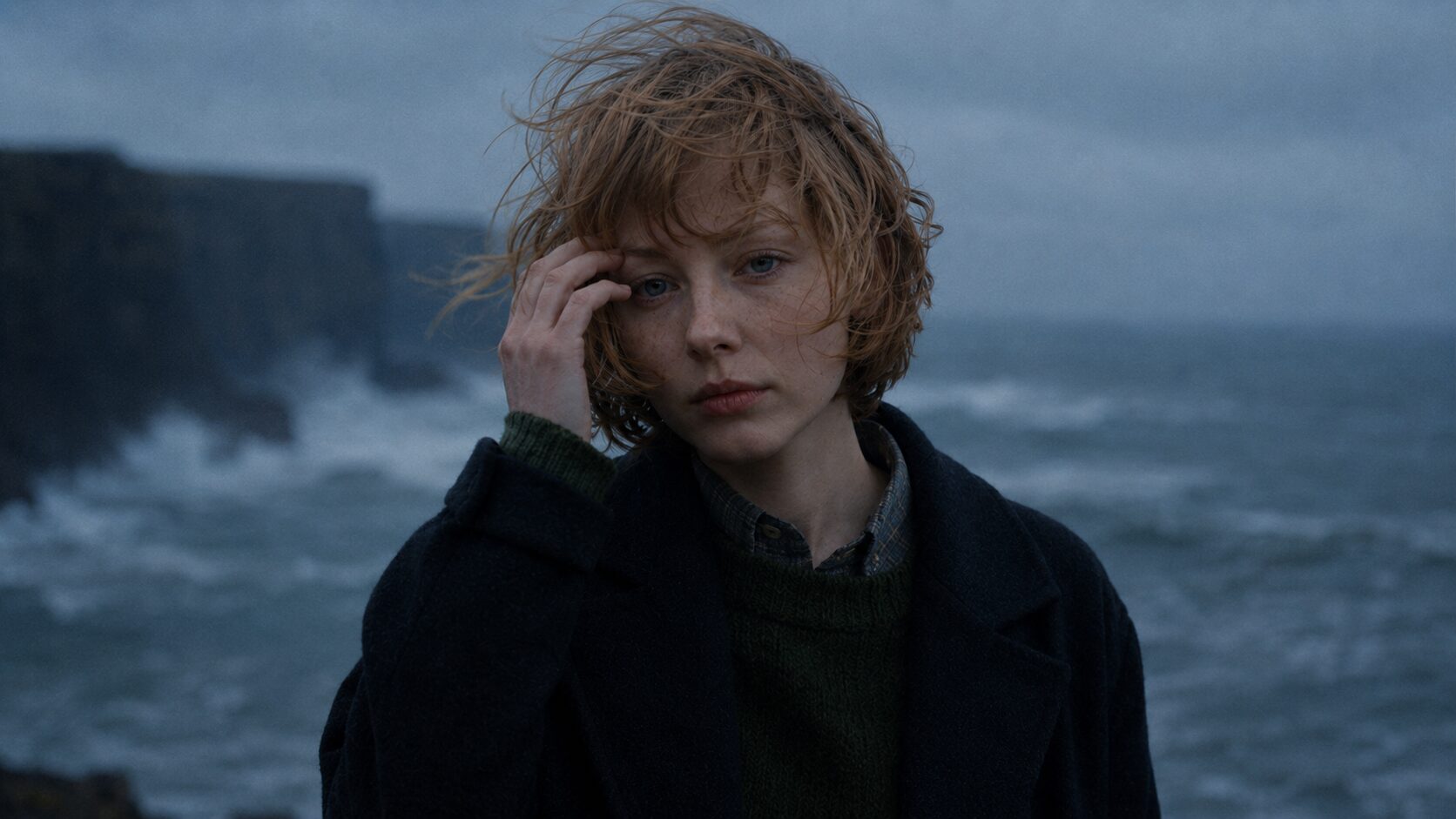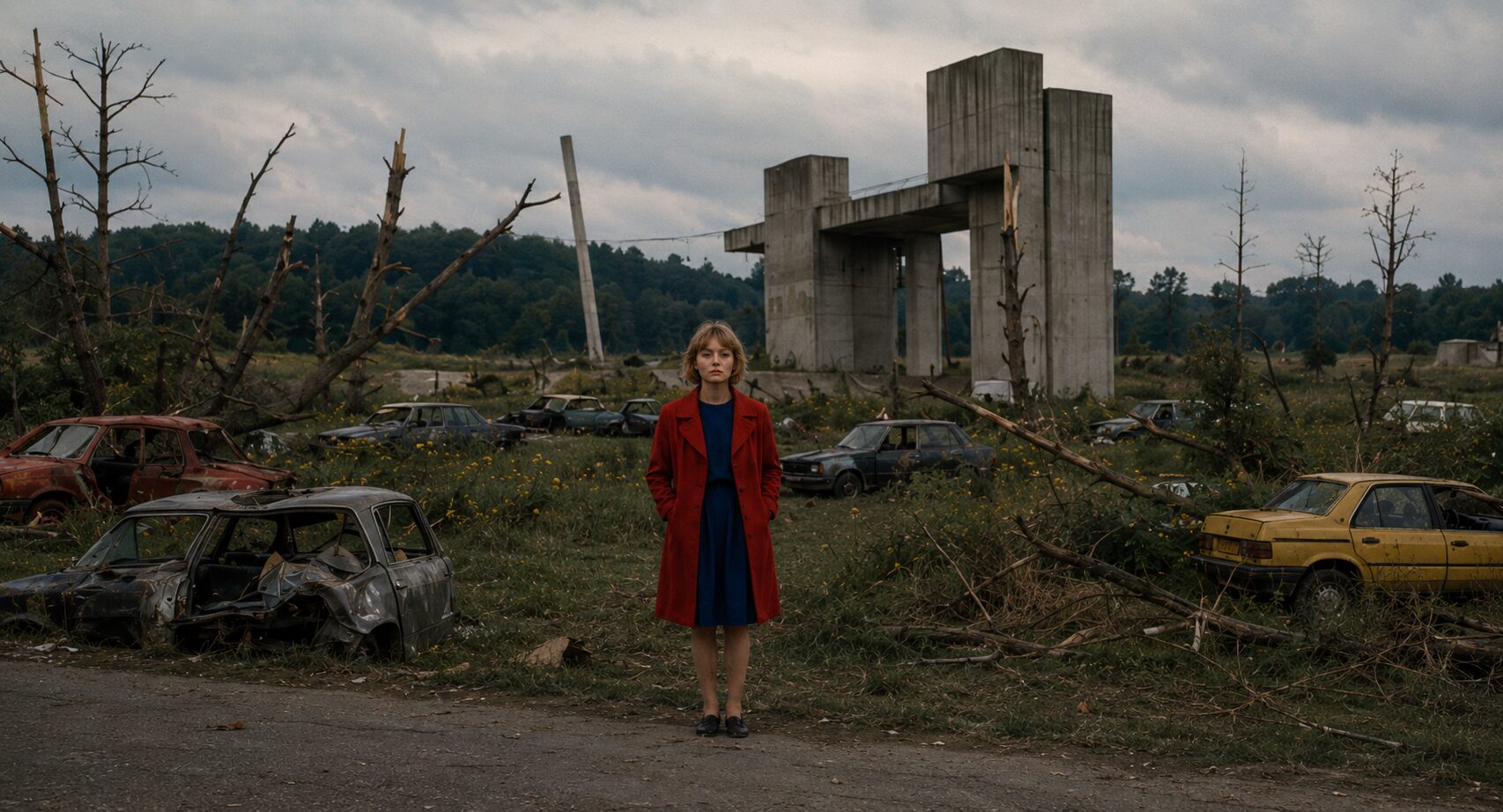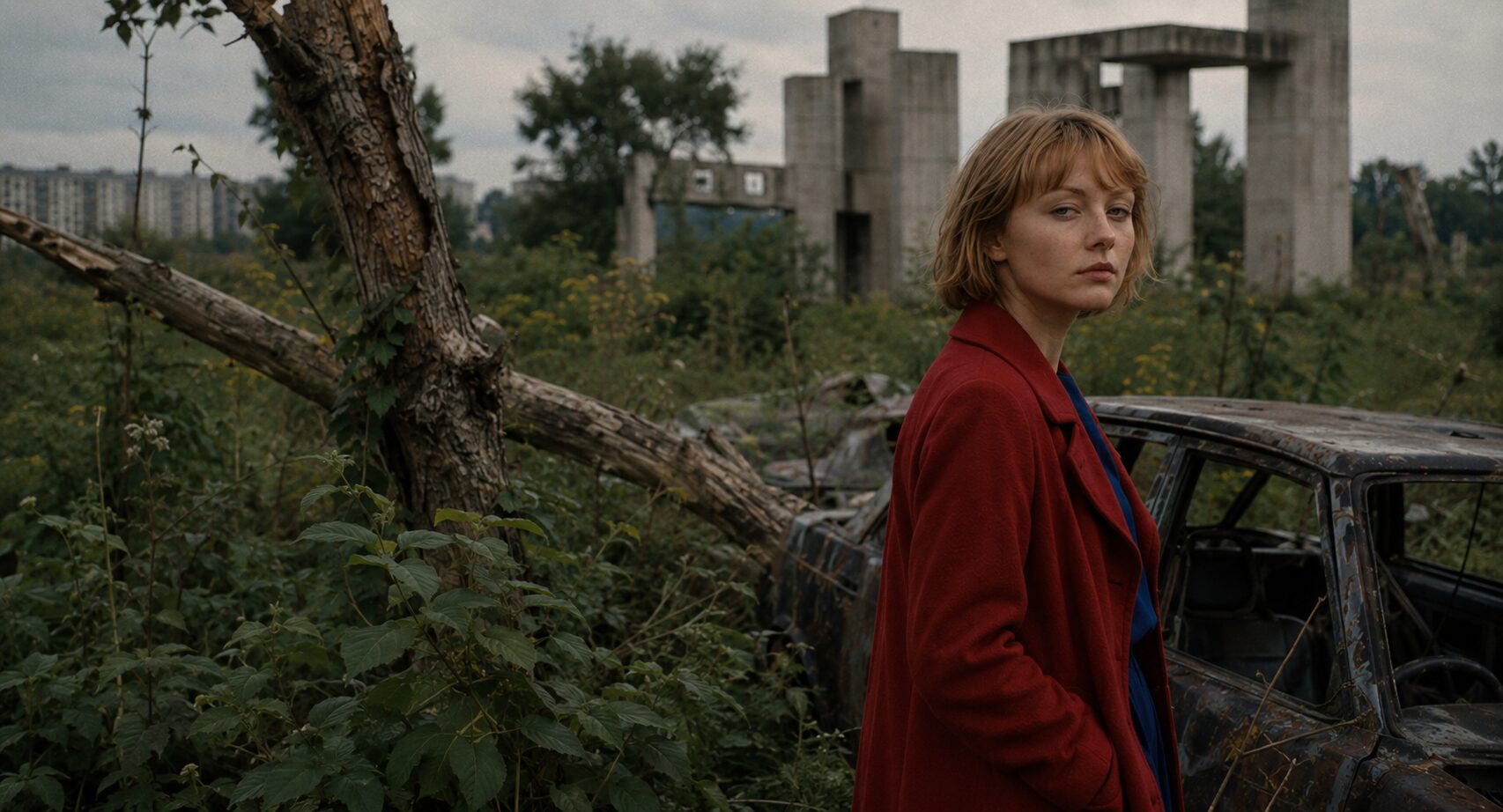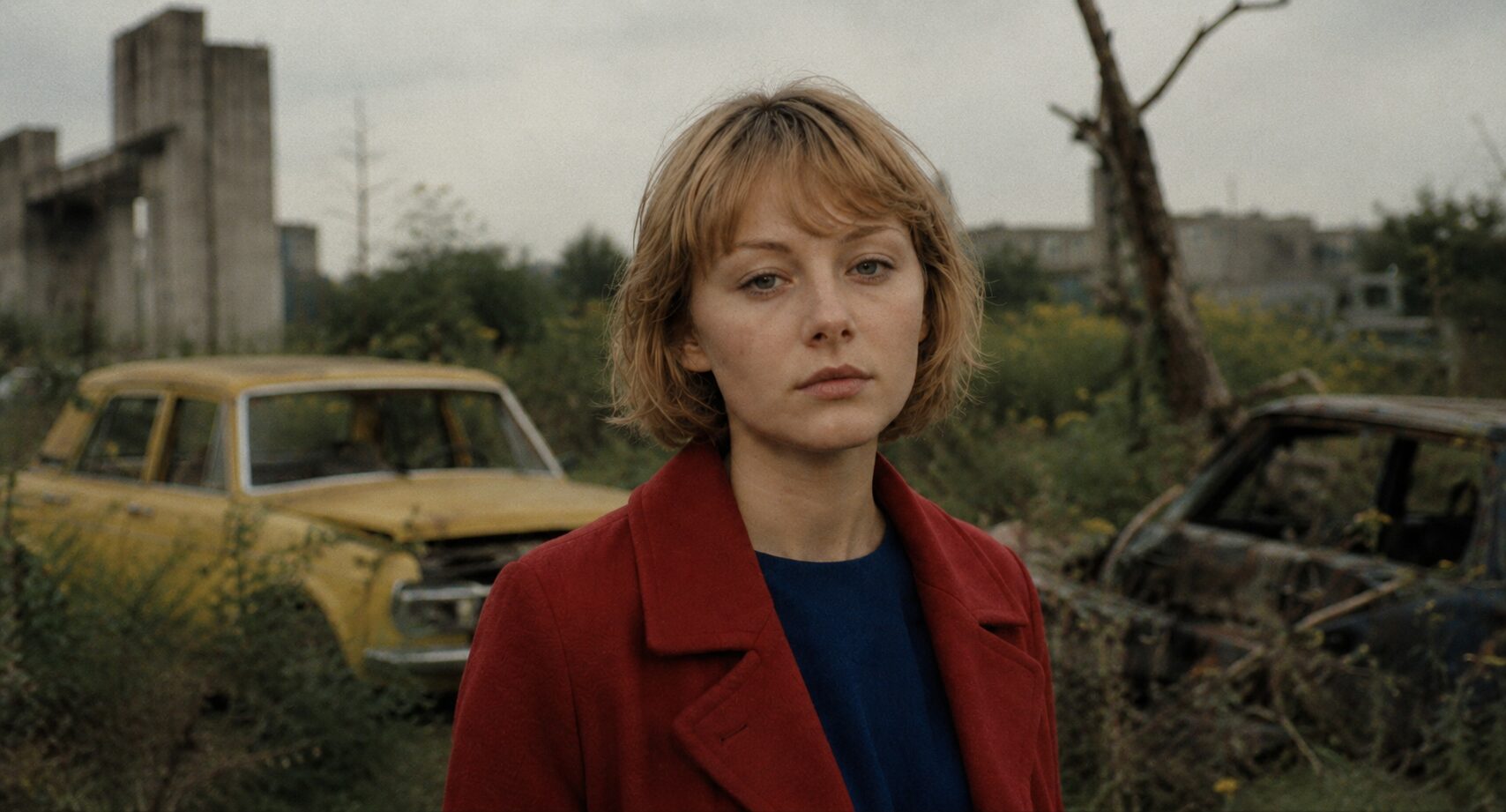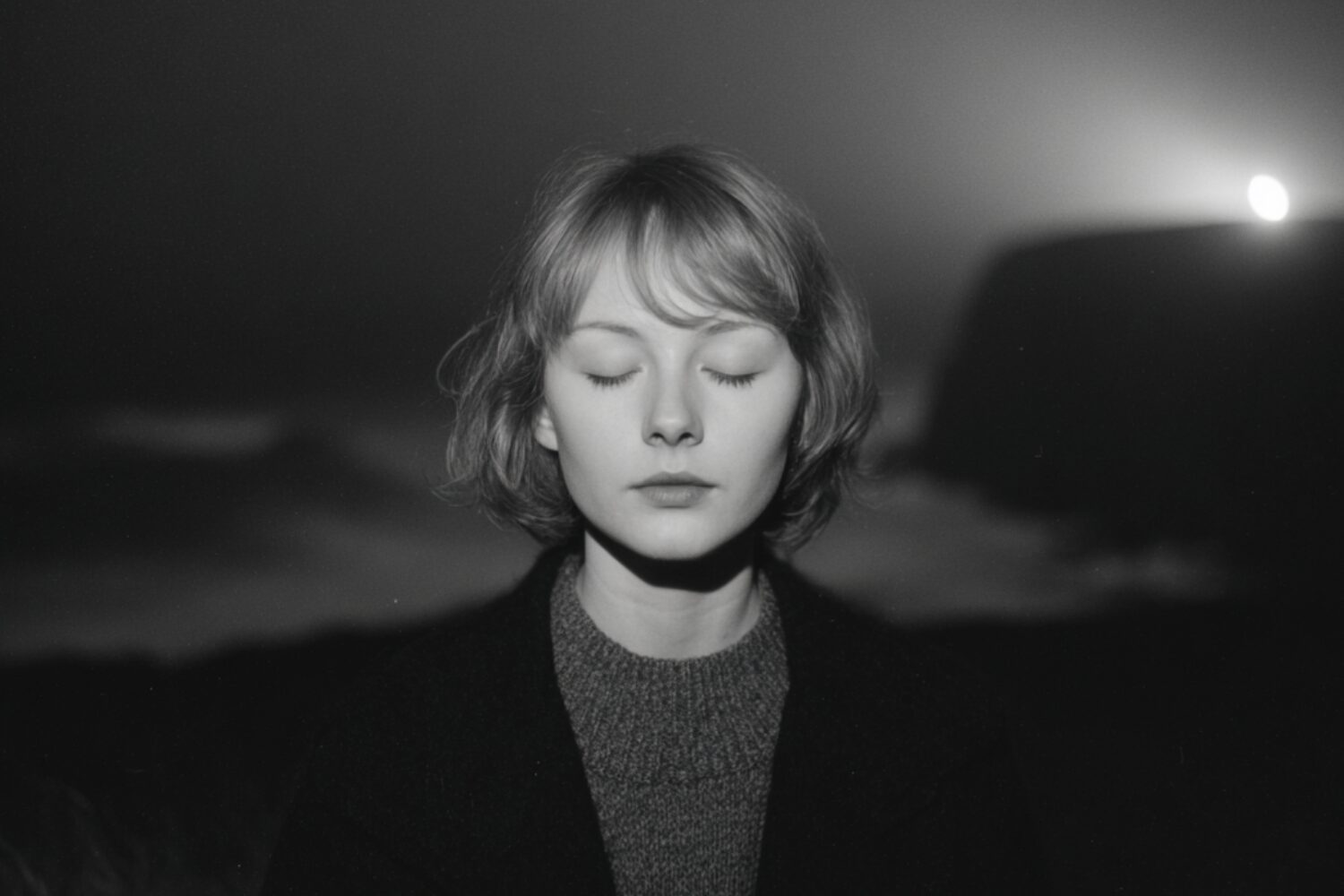
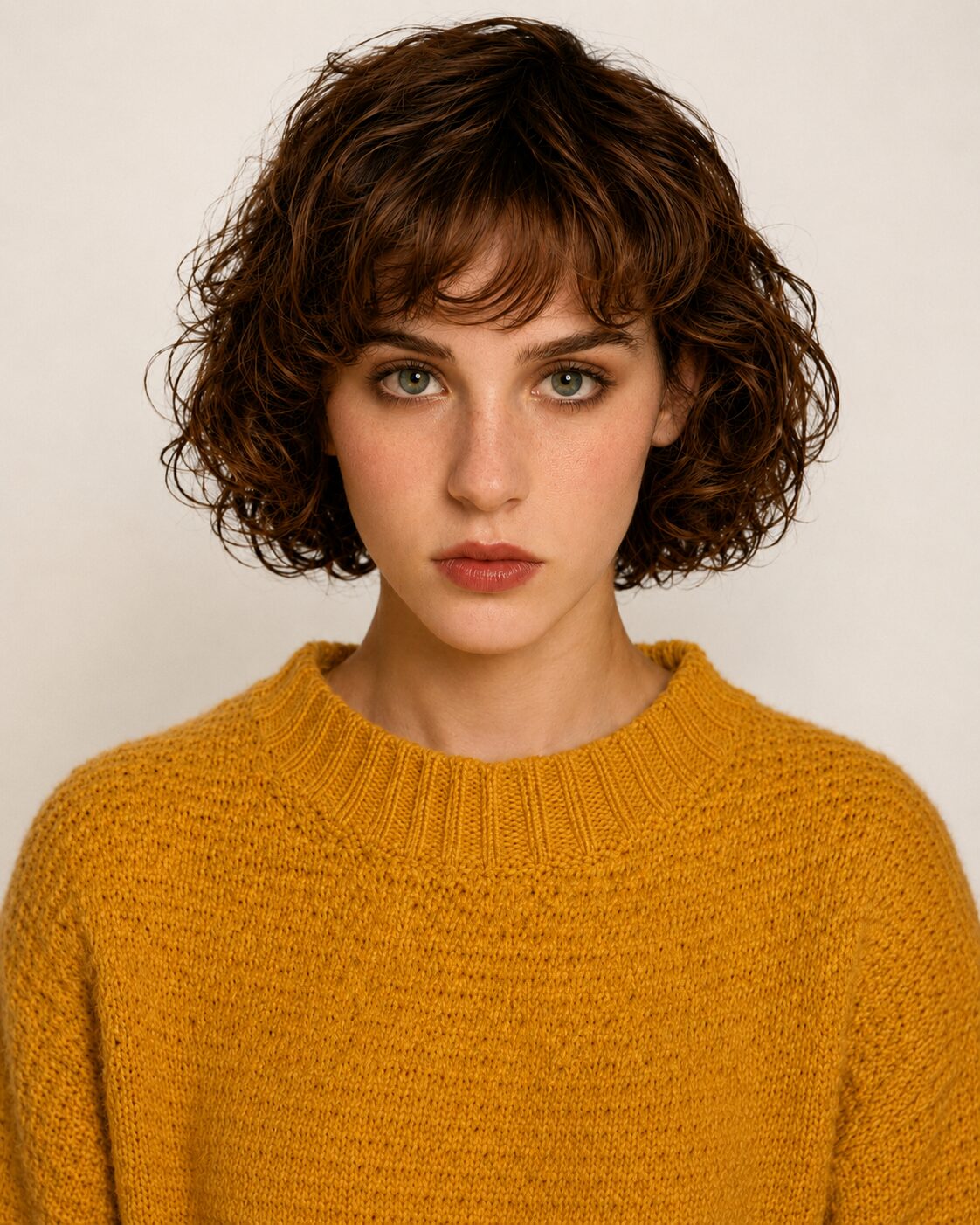
Midjourney selected image
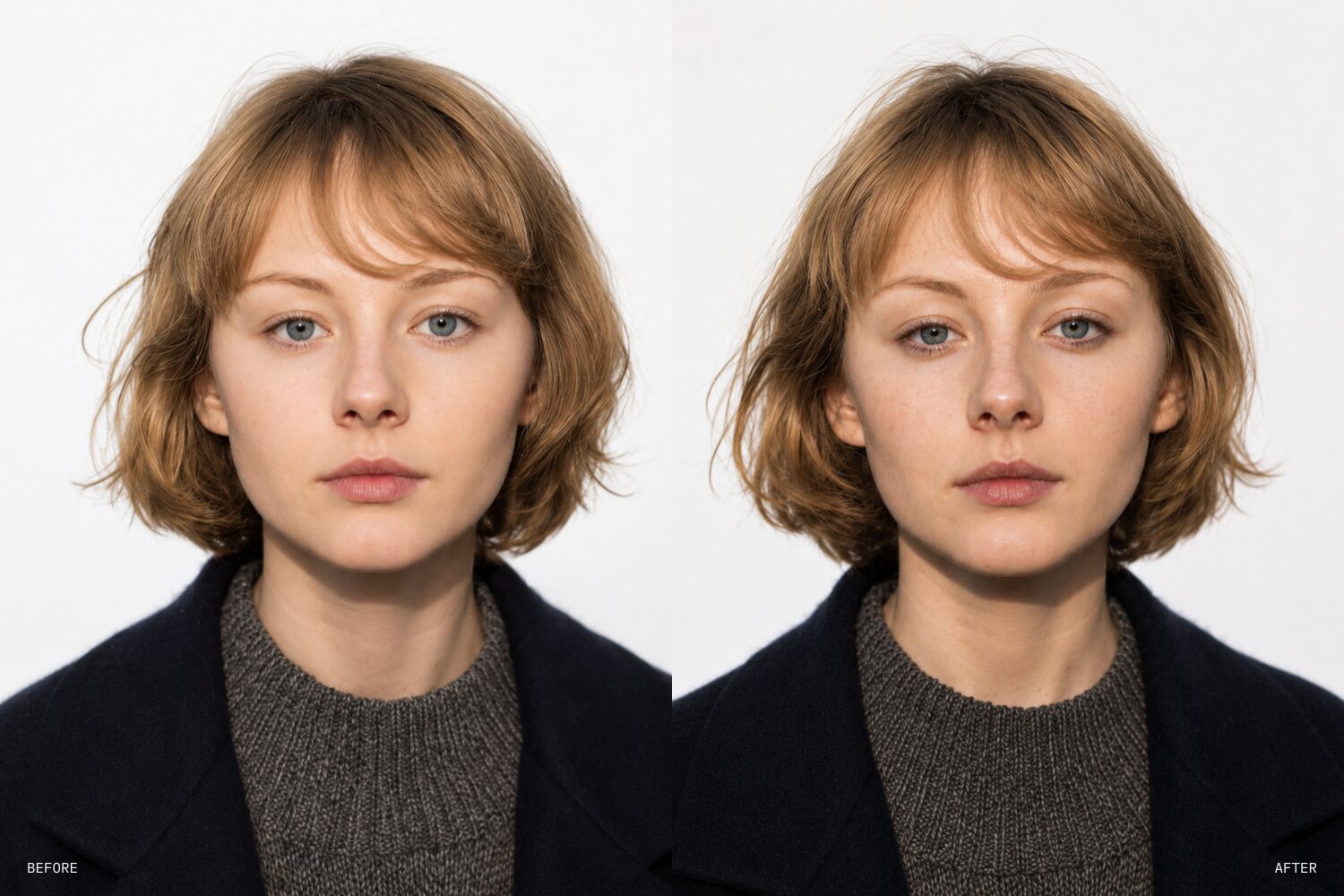
Chat GPT Image 2.0 Before & After refinement constraints and conceptual framework workflow
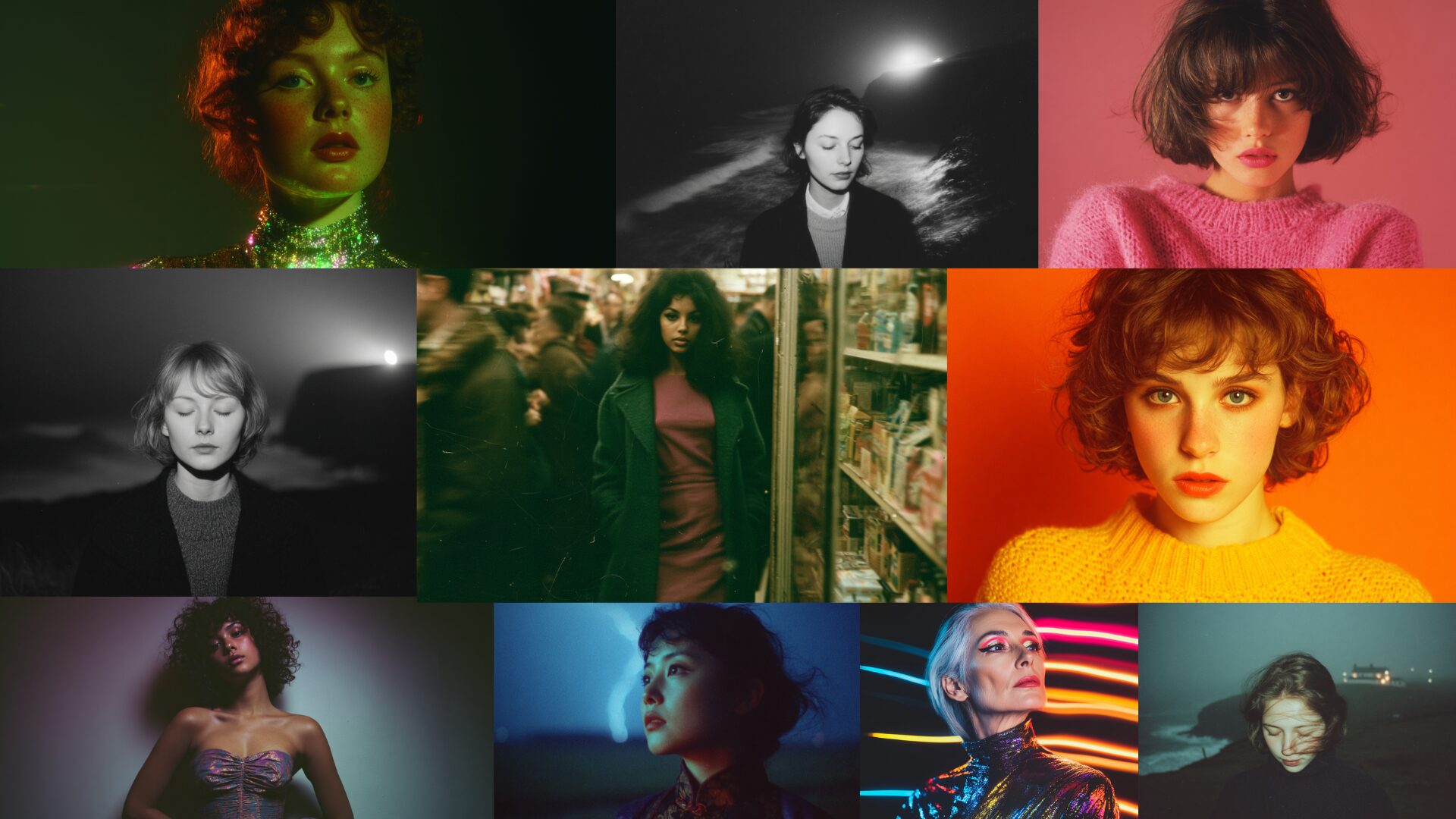
Refined headshot to Style Test
Synthetic Casting
R&D Creative Image Direction —
Tools:
Midjourney
ChatGPT Image 2
A visual research project exploring fictional actor generation, identity continuity, and controlled resistance to generative homogenization.
The idea behind it was a simple question: How can a fictional face hold a close-up without becoming overdesigned, generic, or emotionally obvious?
The answer came through film history, personal references, performer studies, anatomy, gesture, semiotics, and casting logic. The goal was not beauty standards or nostalgia but dramatic restraint.
The process involved text-to-image visual explorations, mood descriptions, era mixtures, casting descriptors, and image-remix experiments. No intentional likeness references of living or deceased individuals were used at any stage. Selected outputs became anchor portraits.
The first refinements often drifted toward generic AI-image styling. To correct that, I developed an iterative feedback process focused on specificity: facial structure, eye behavior, skin texture, hair identity, expression discipline, photographic credibility, and resistance to cosmetic homogenization.
That process became a set of instructions, rules, and source documents designed to govern the work. The framework was built on anatomical, photographic, and casting-based criteria to provide precise visual descriptions for conditioning, evaluation, and correction of the output.
The result was less a fixed formula or tool than a framework based on judgment and curation for evaluating, constraining, refining, and deciding what an image is doing.
From reference to final image (workflow overview)
Midjourney to Chat GPT Image 2 Refinement & Outputs
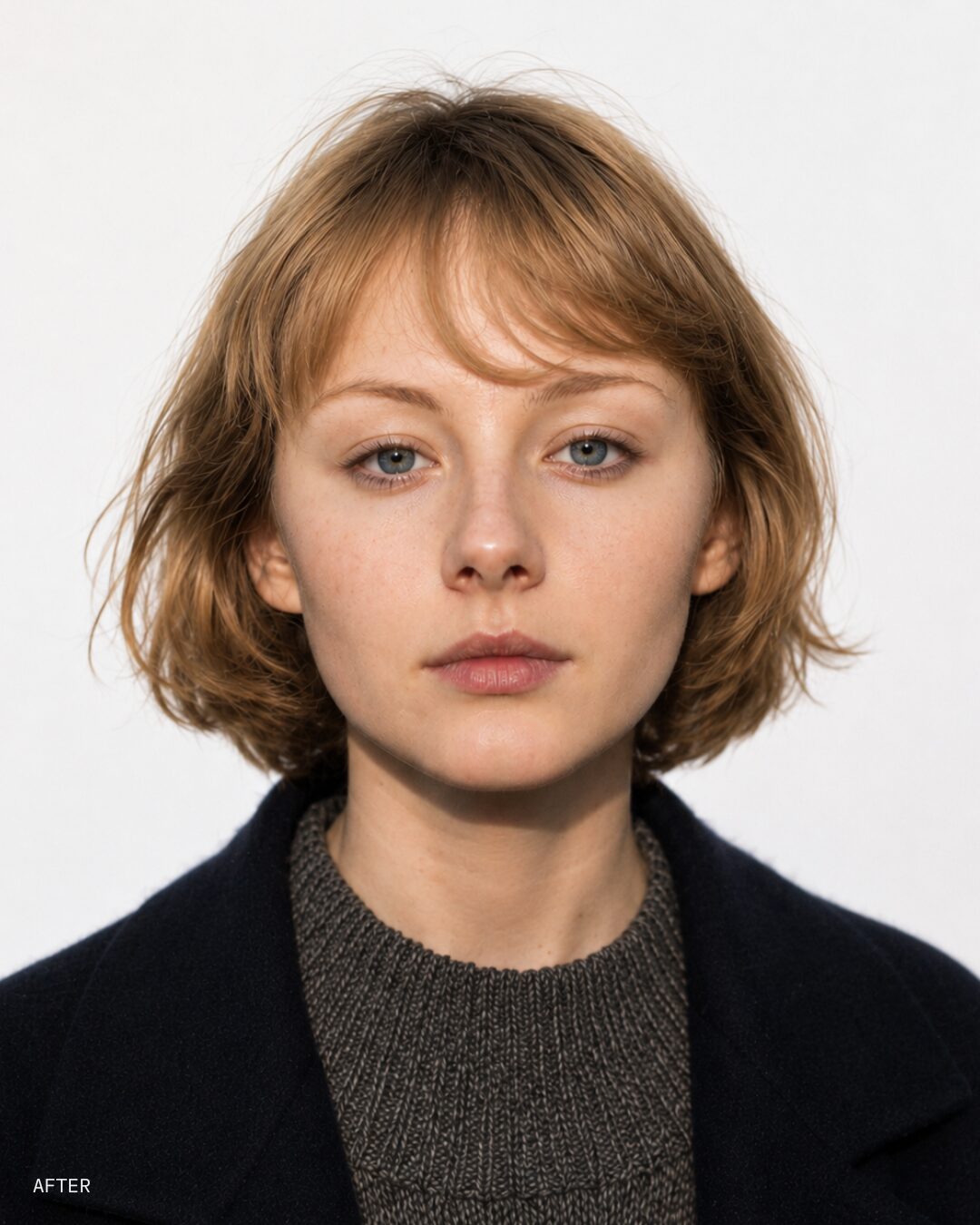
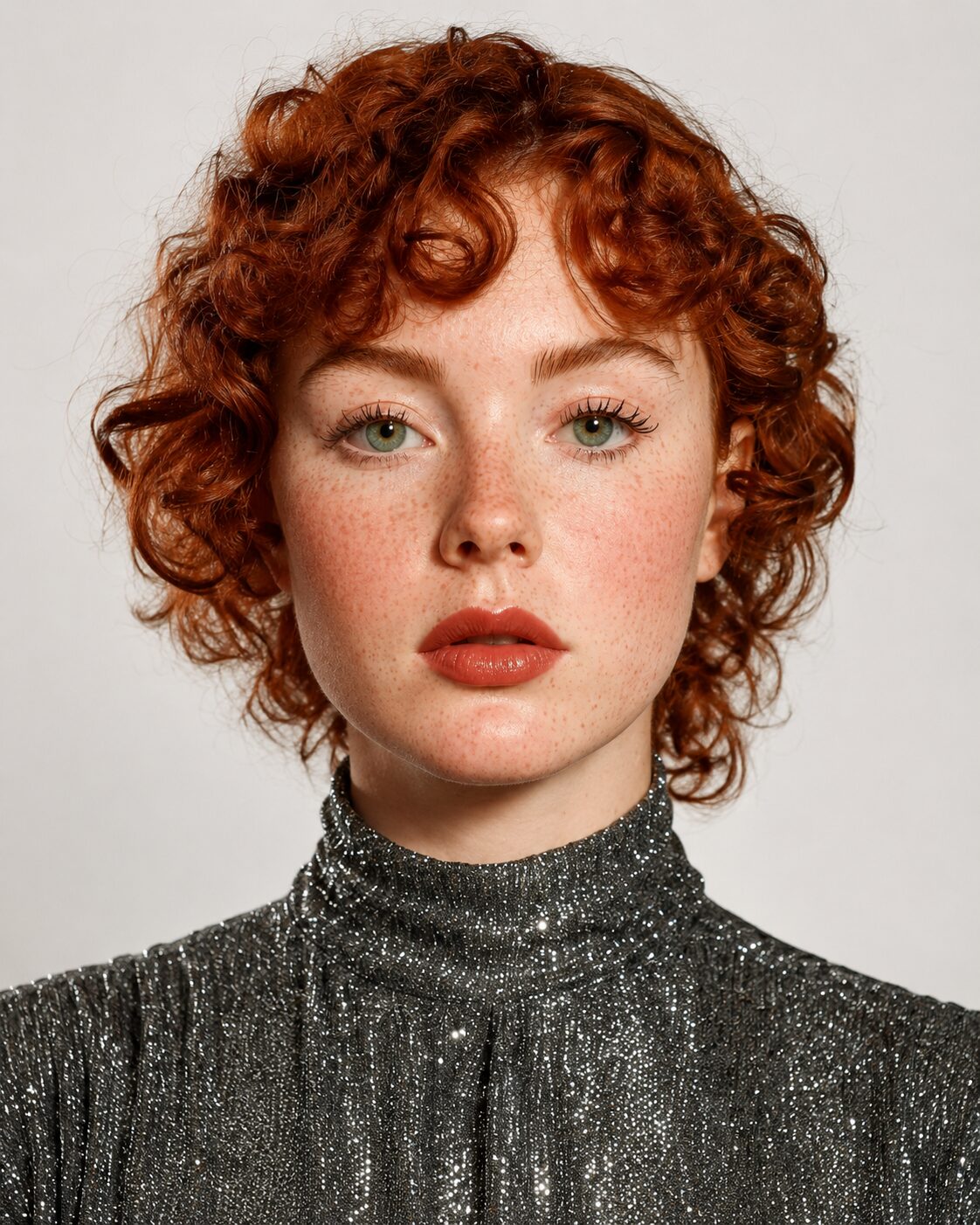
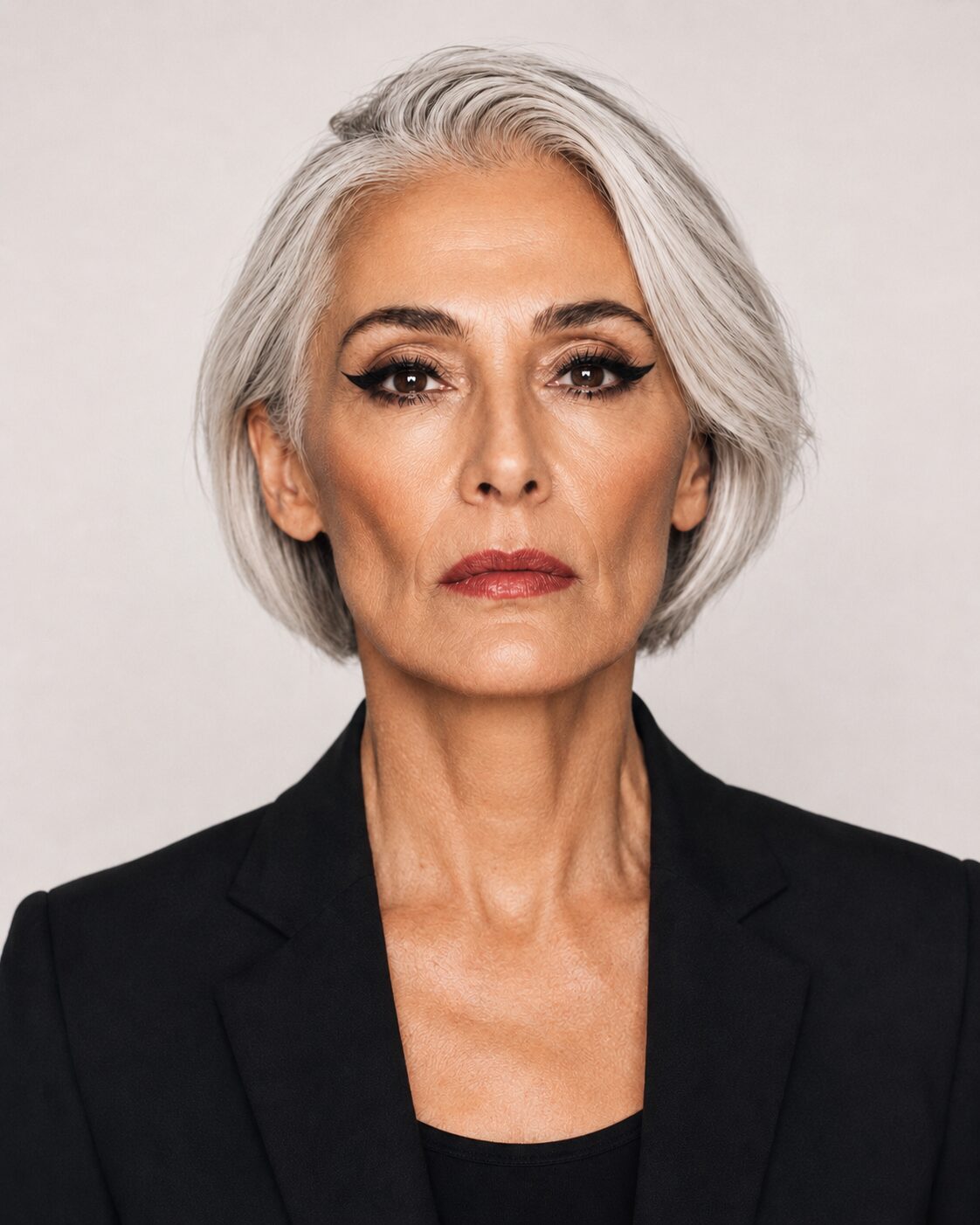
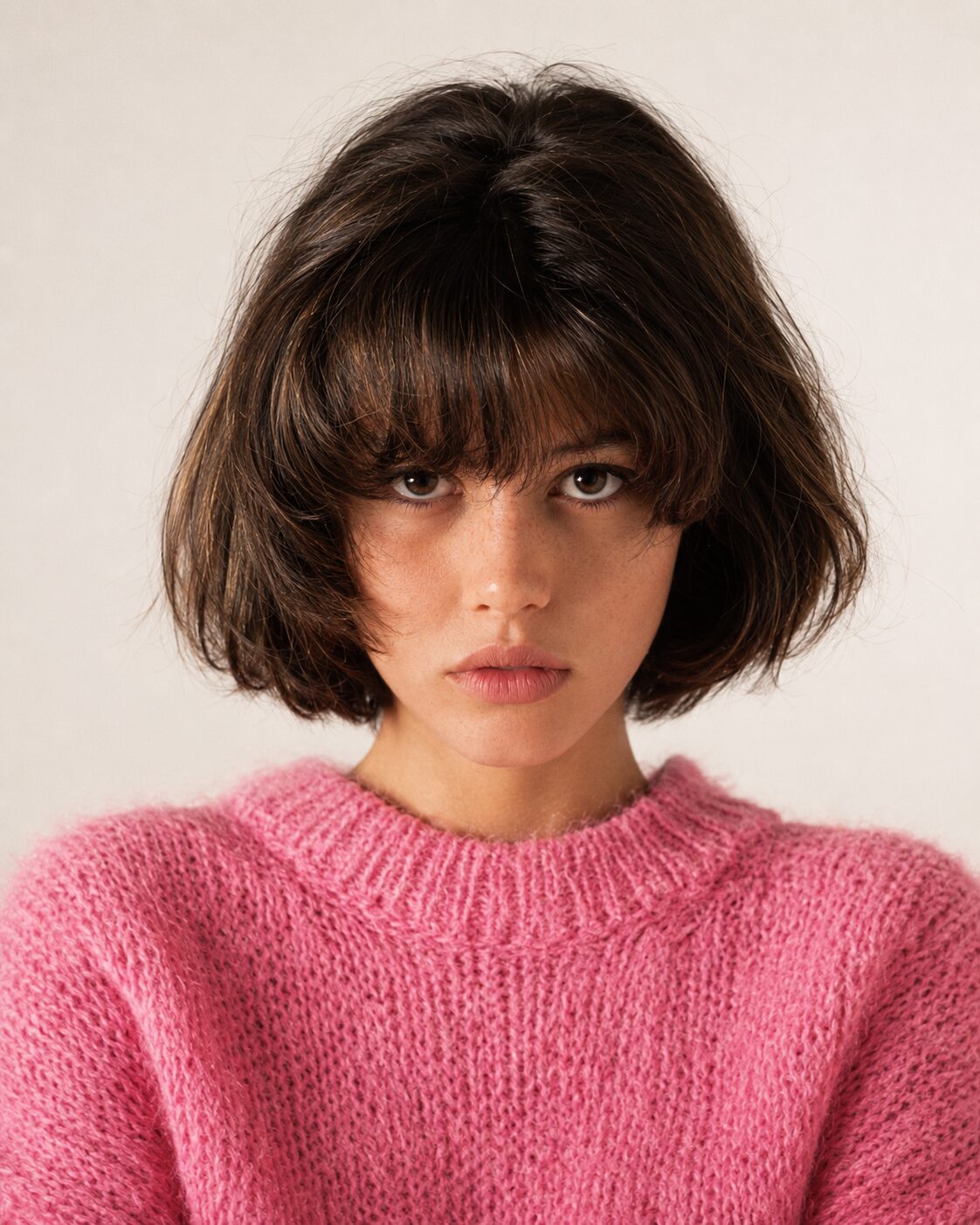
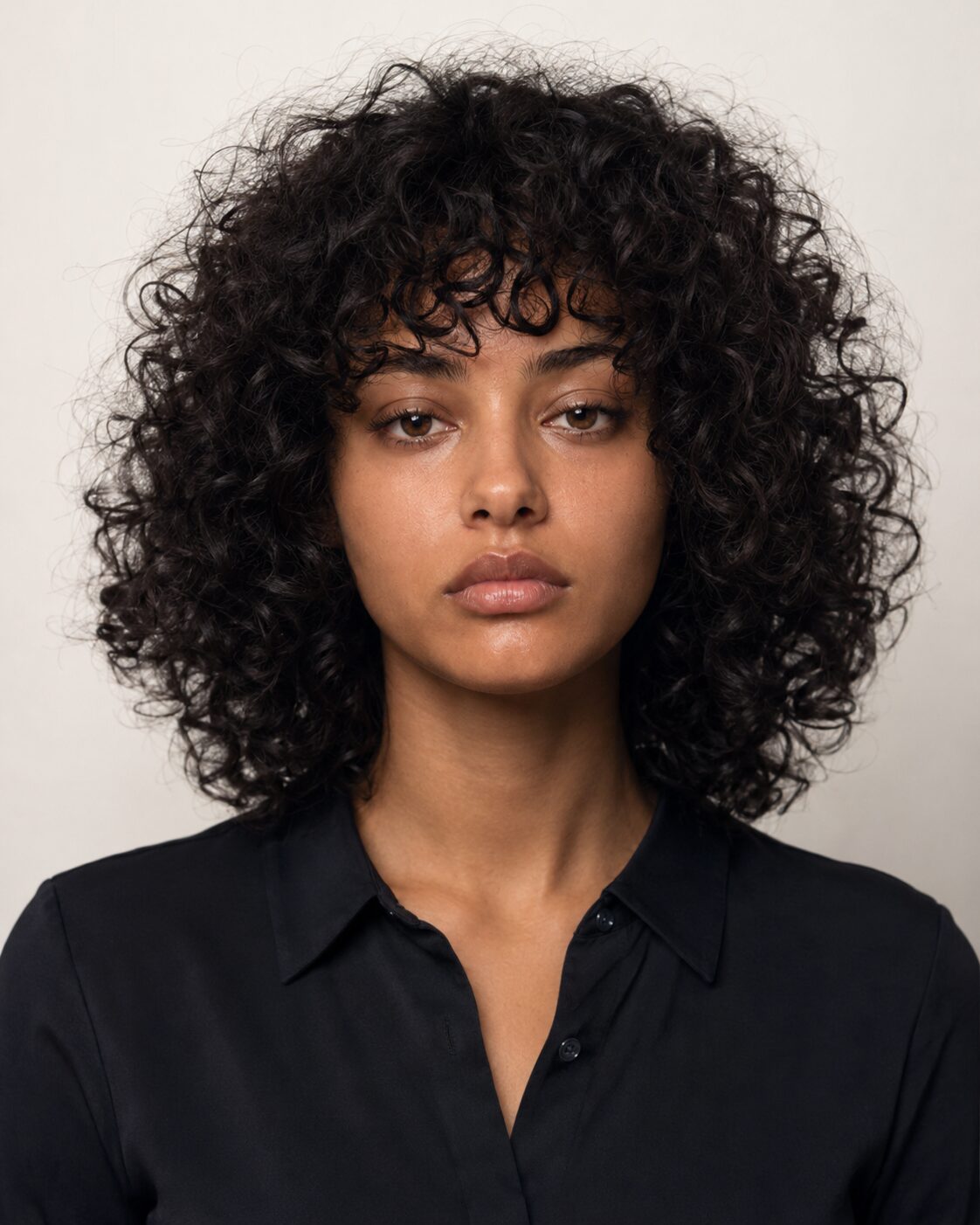
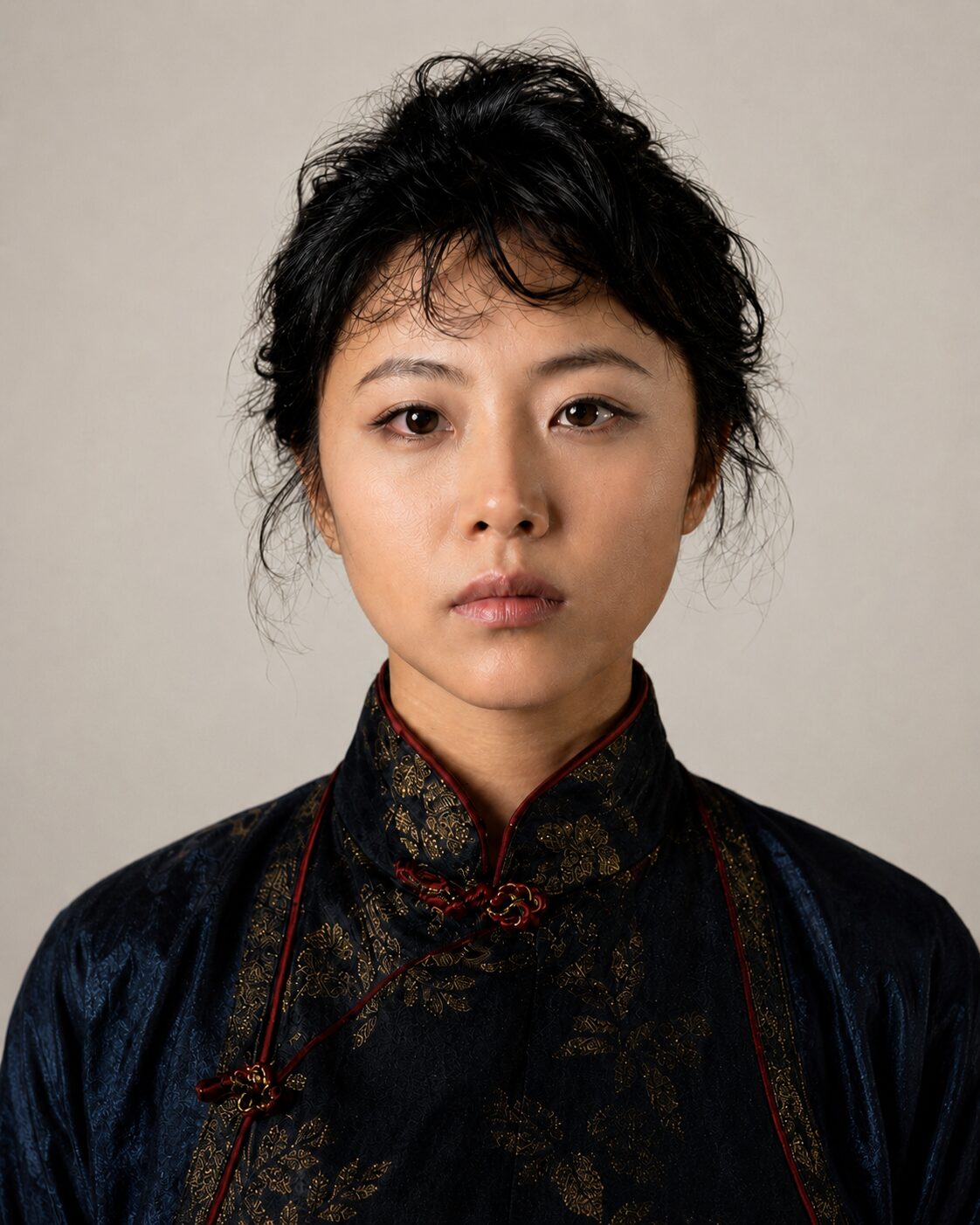
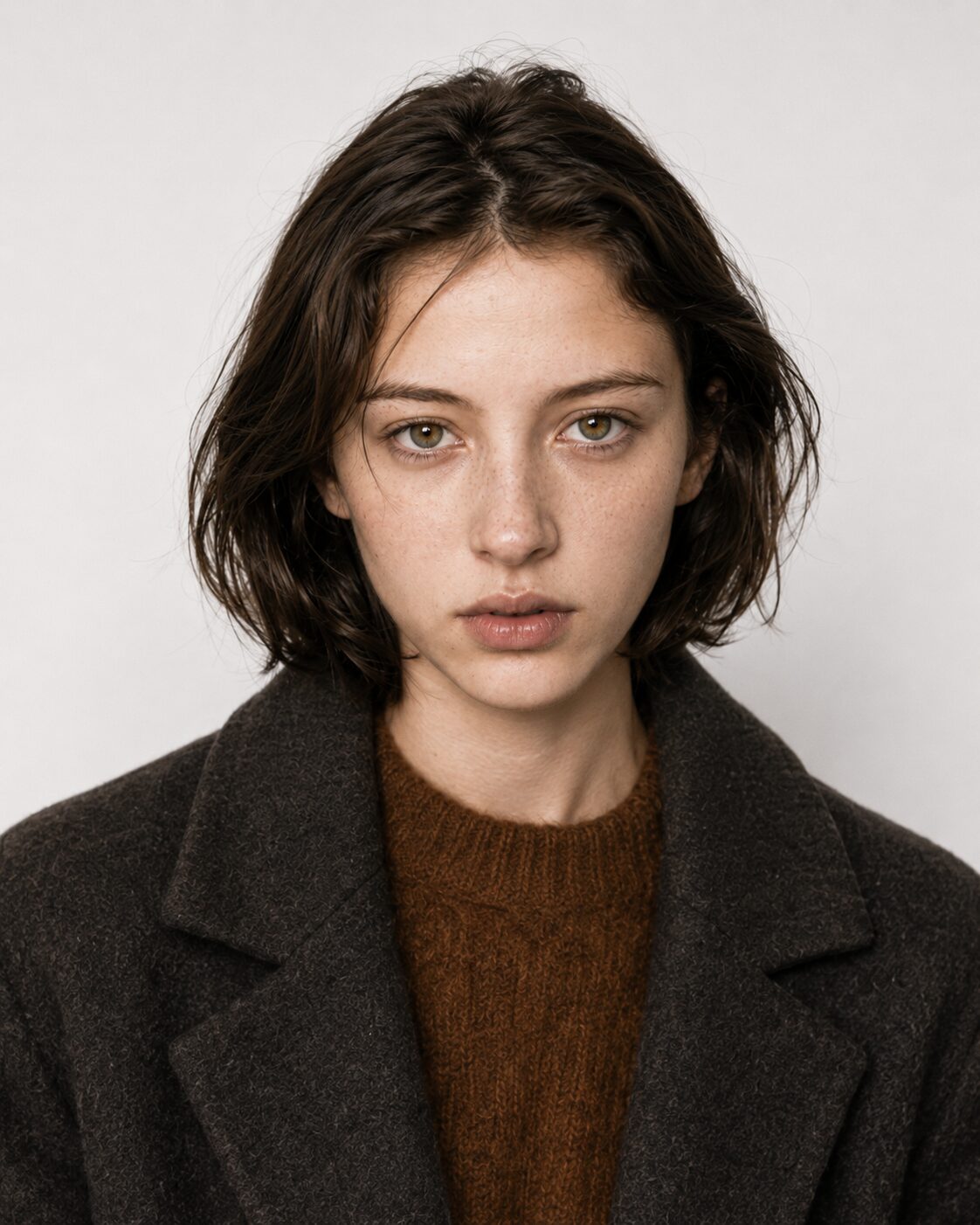
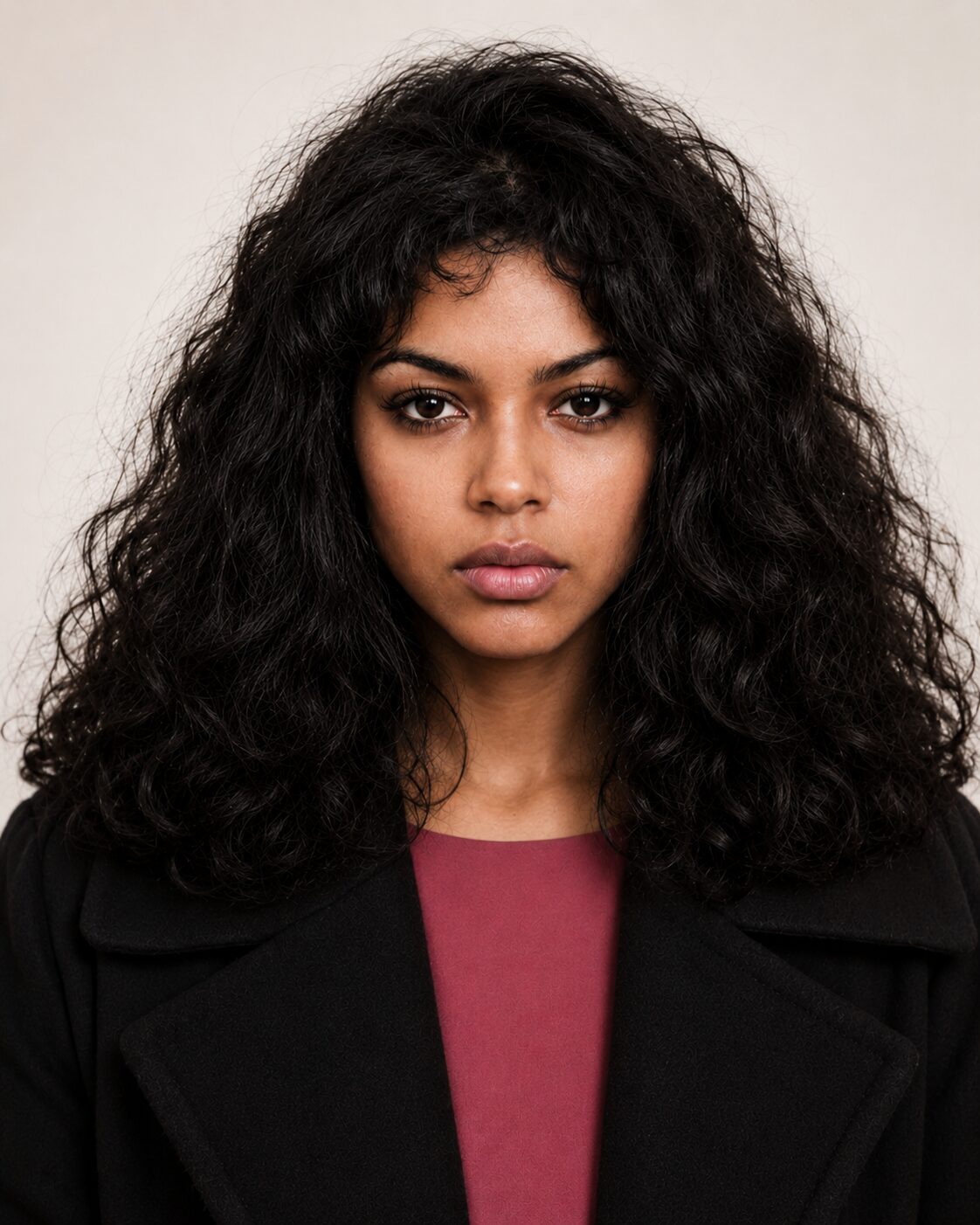
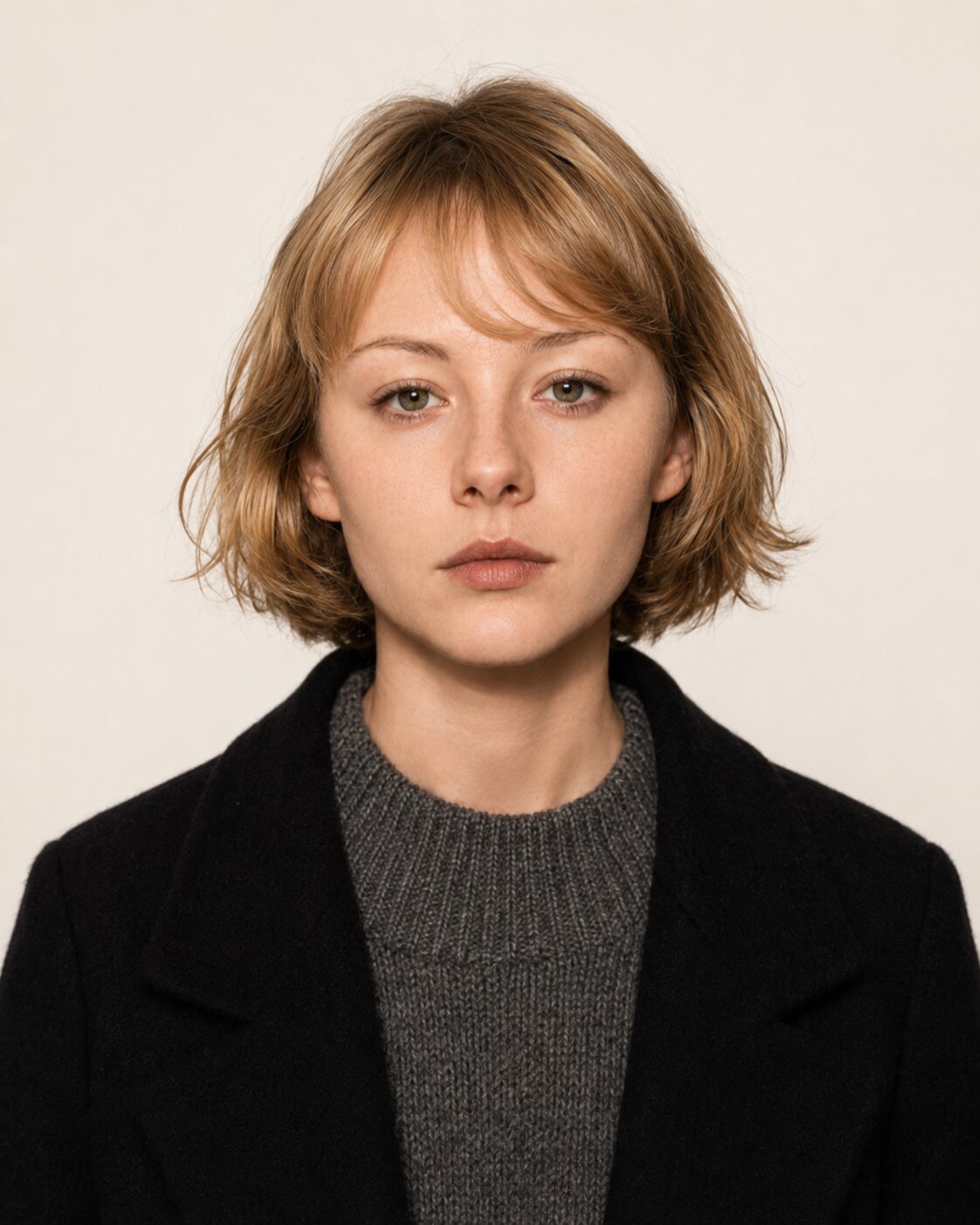
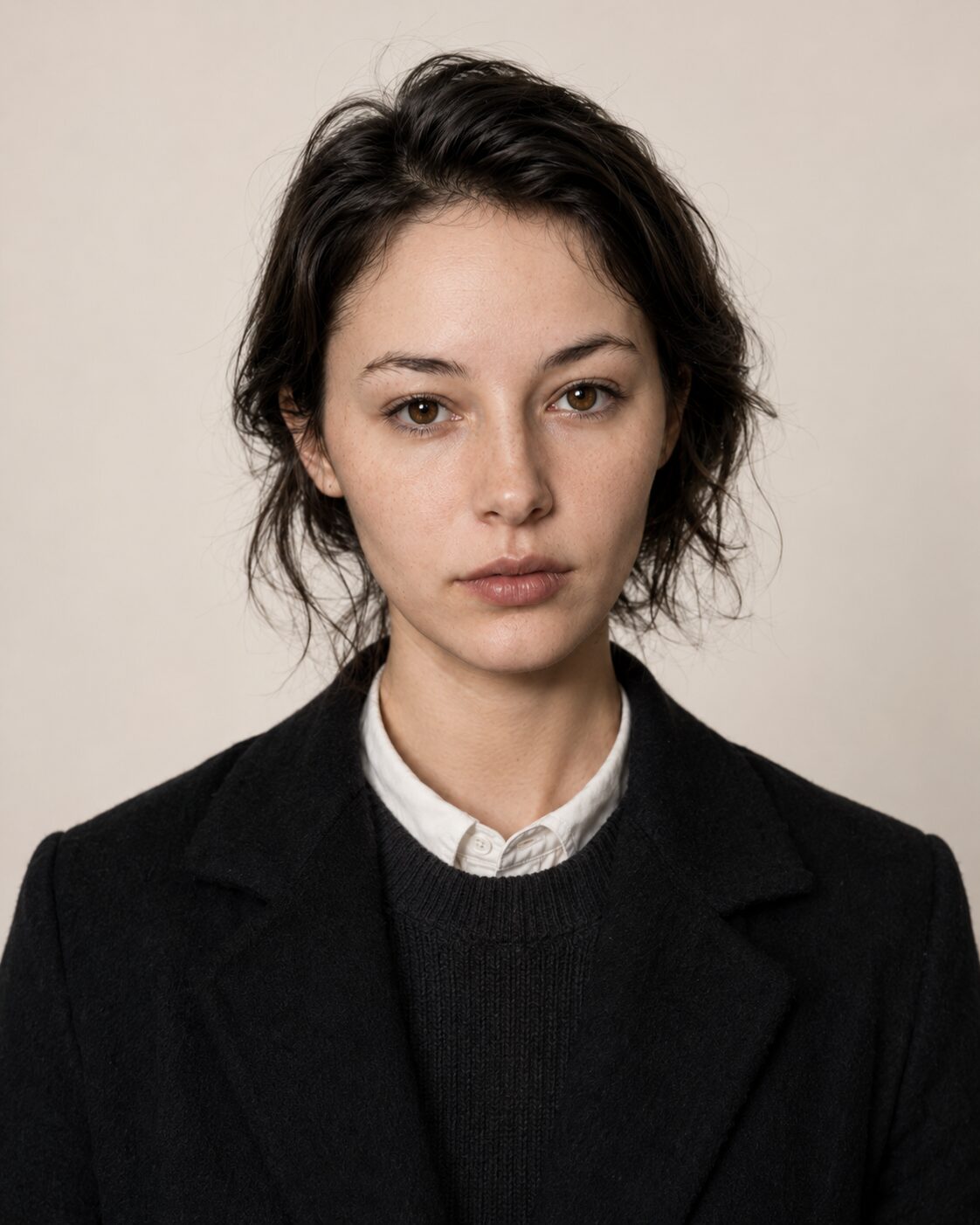
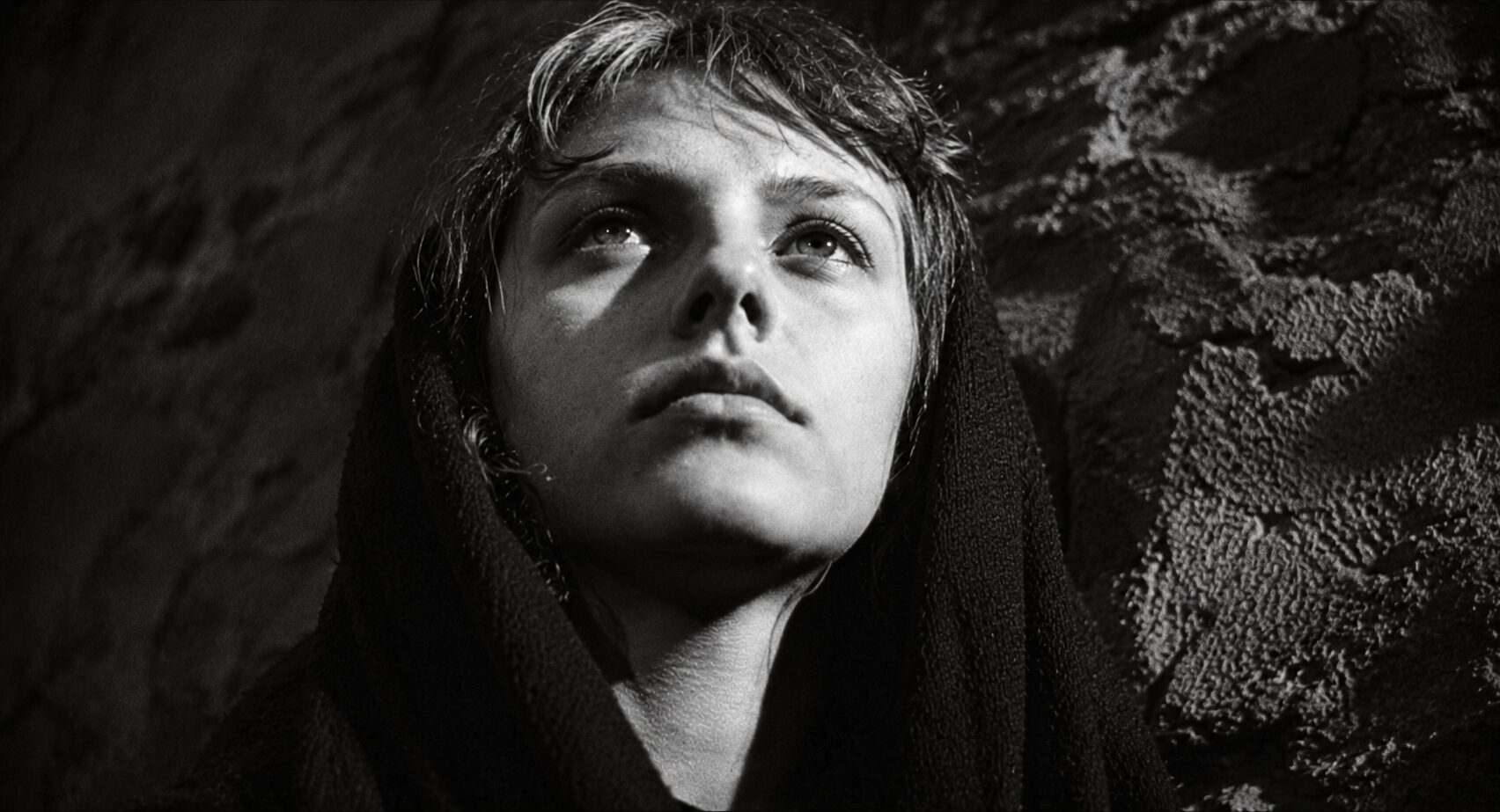
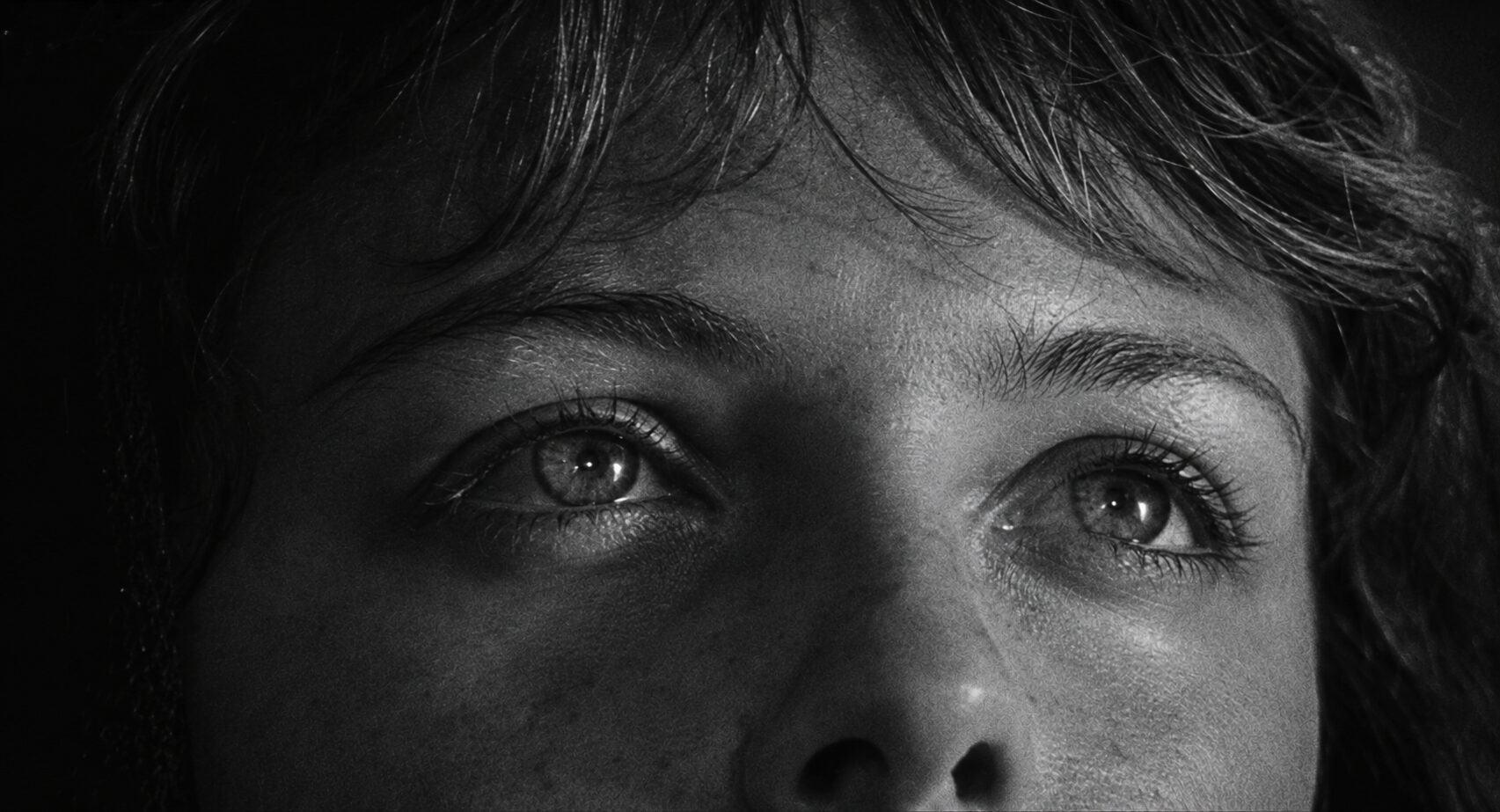
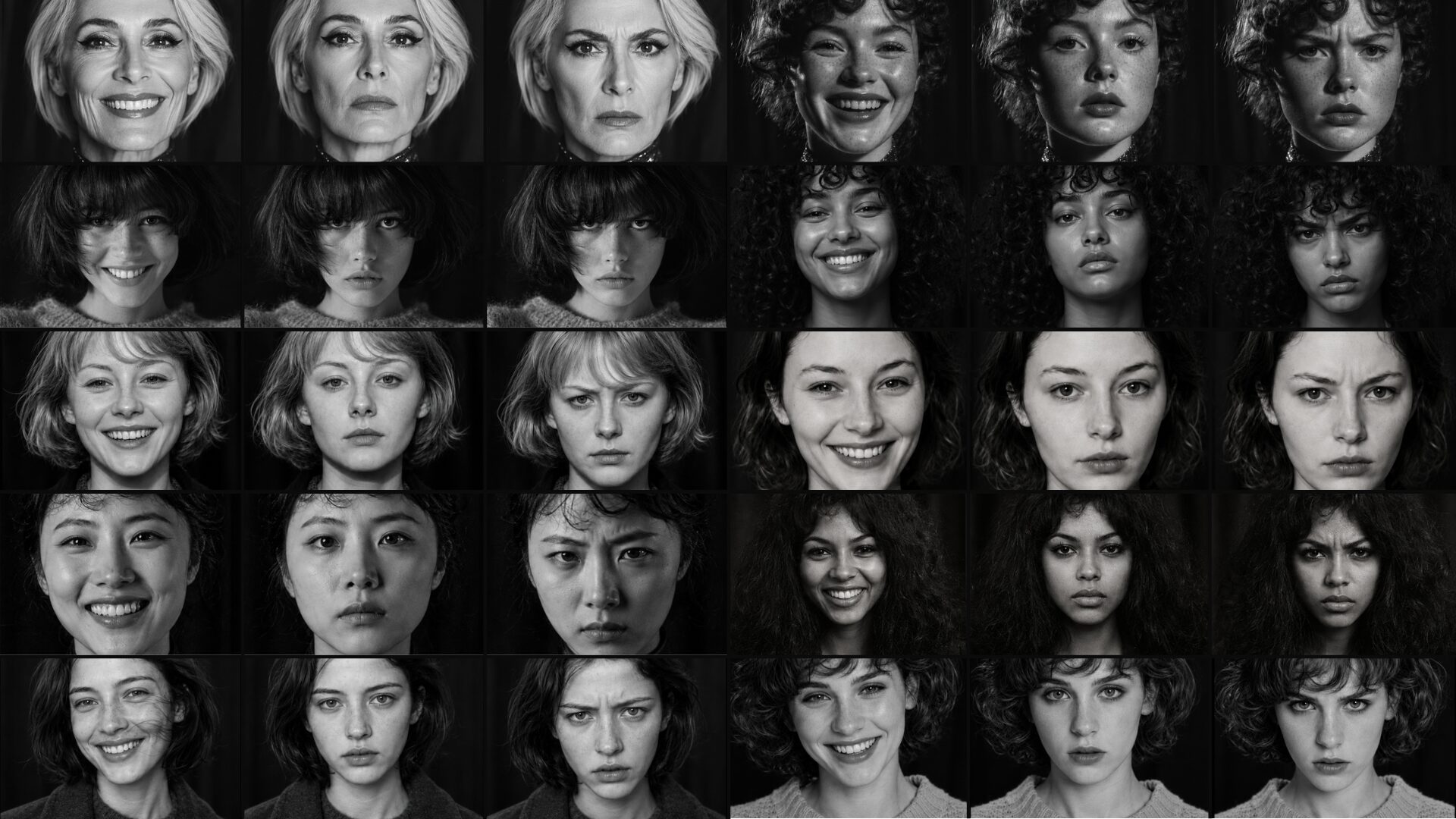
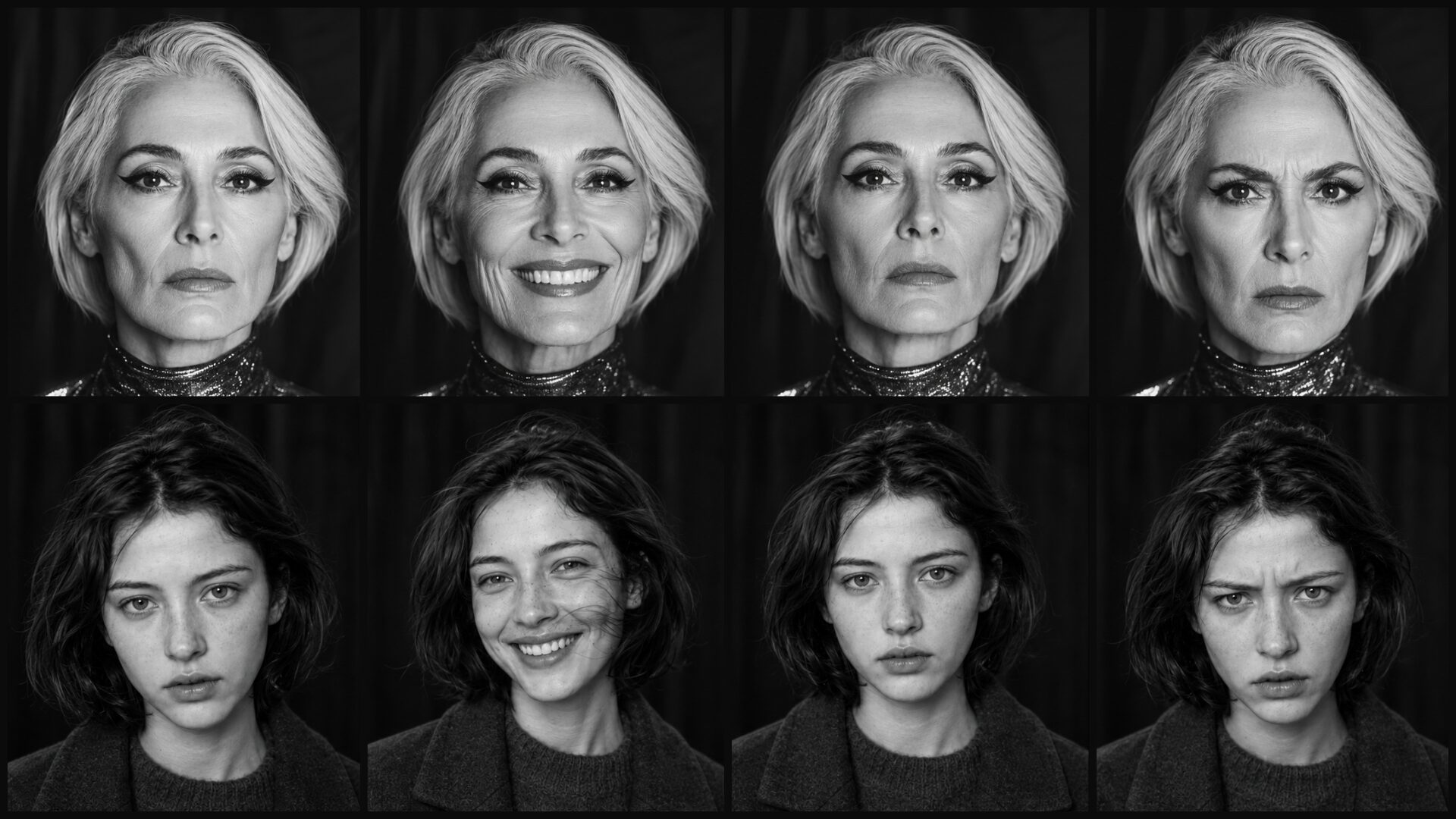
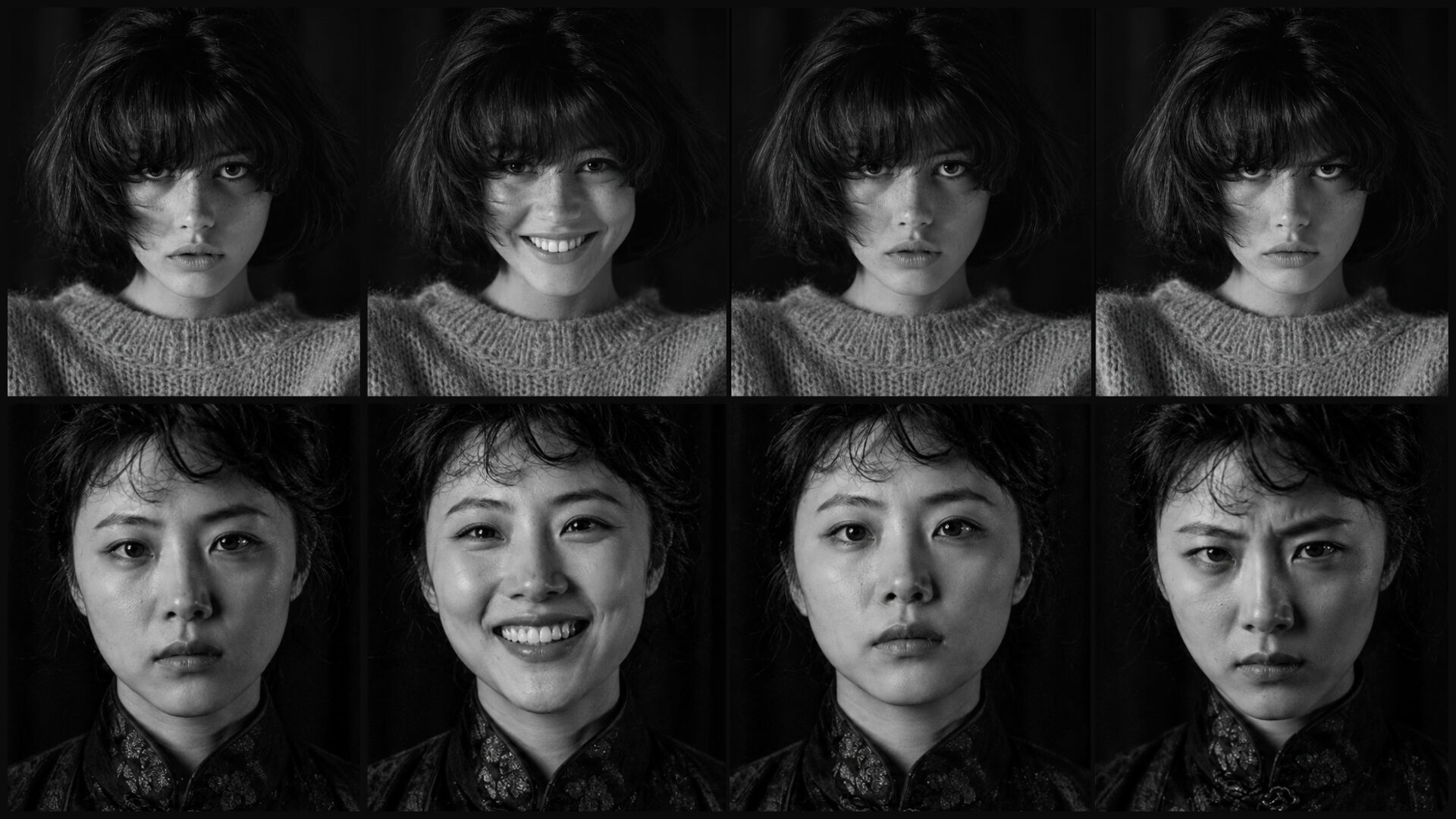
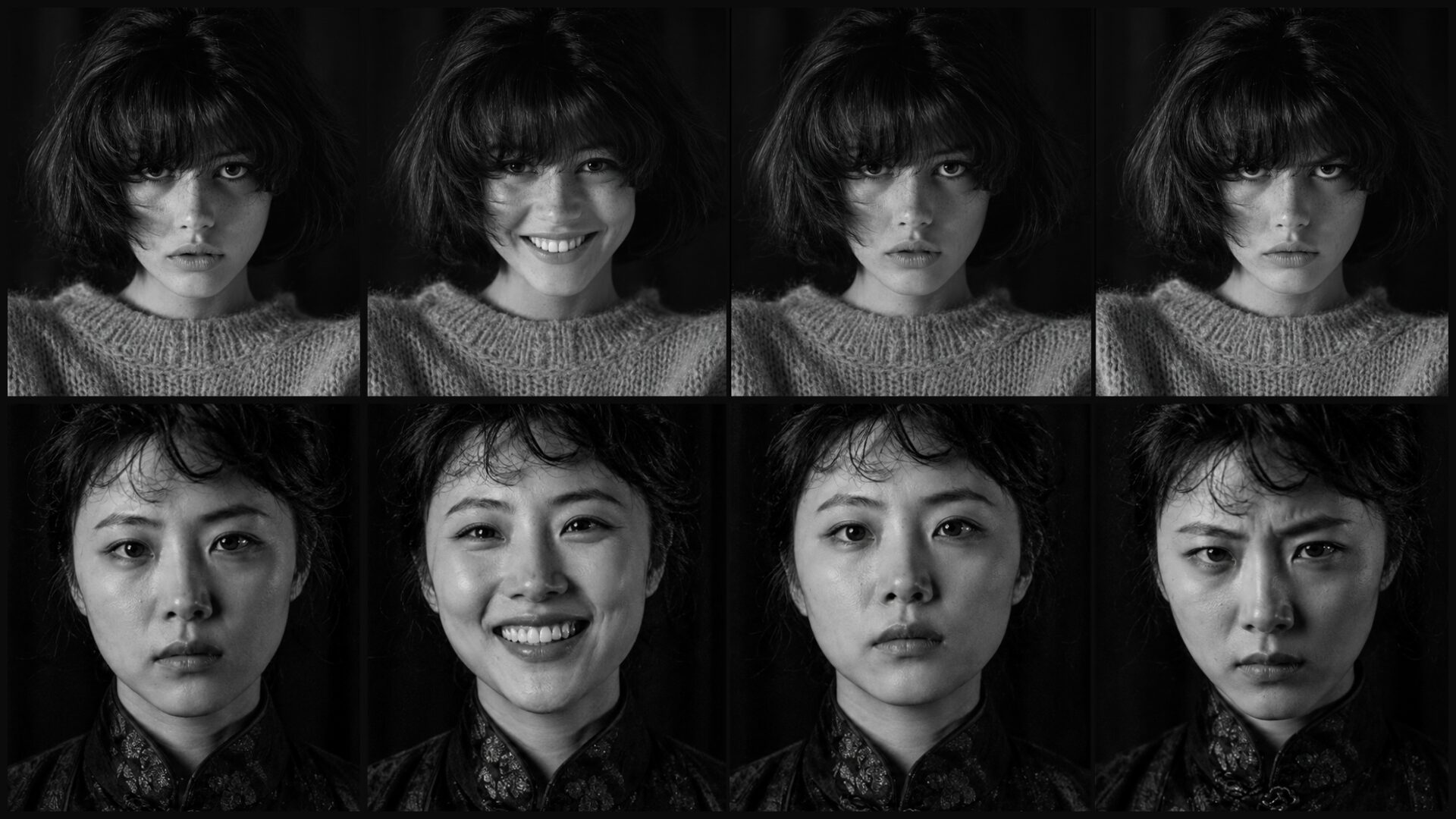
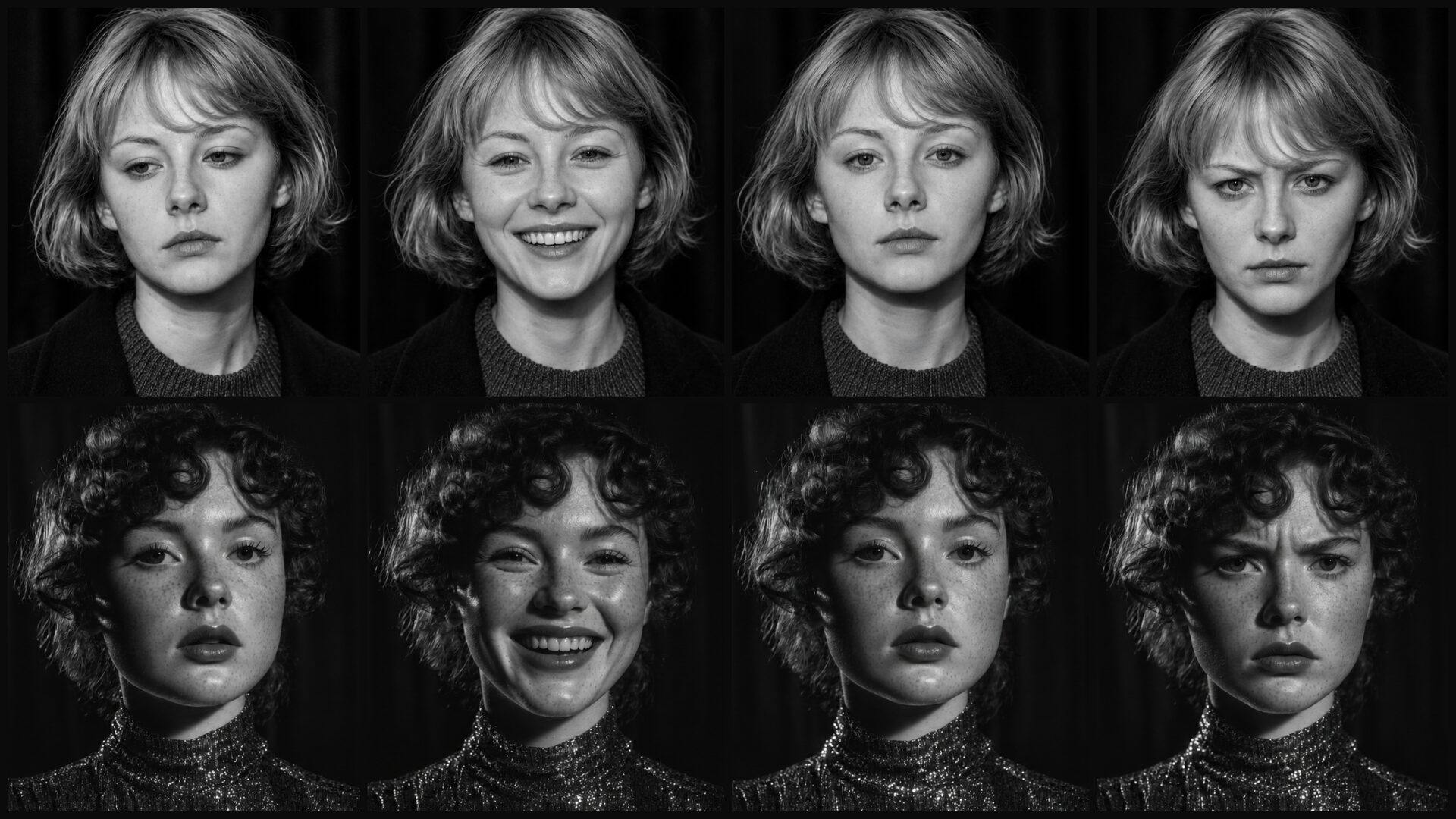
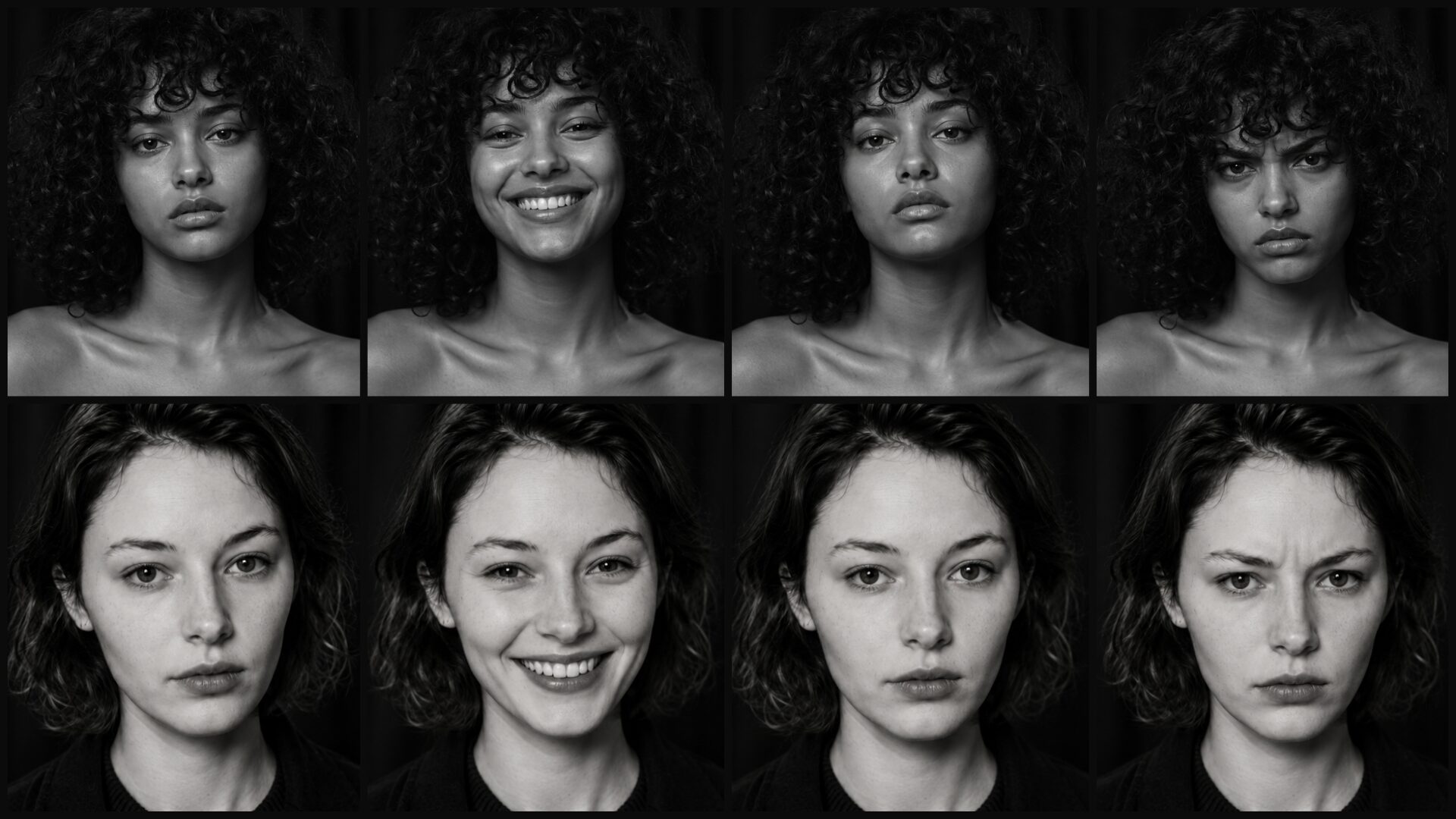
Expression Matrix / Final headshots as anchor translated in a variety of emotions / Chat GPT Image 2
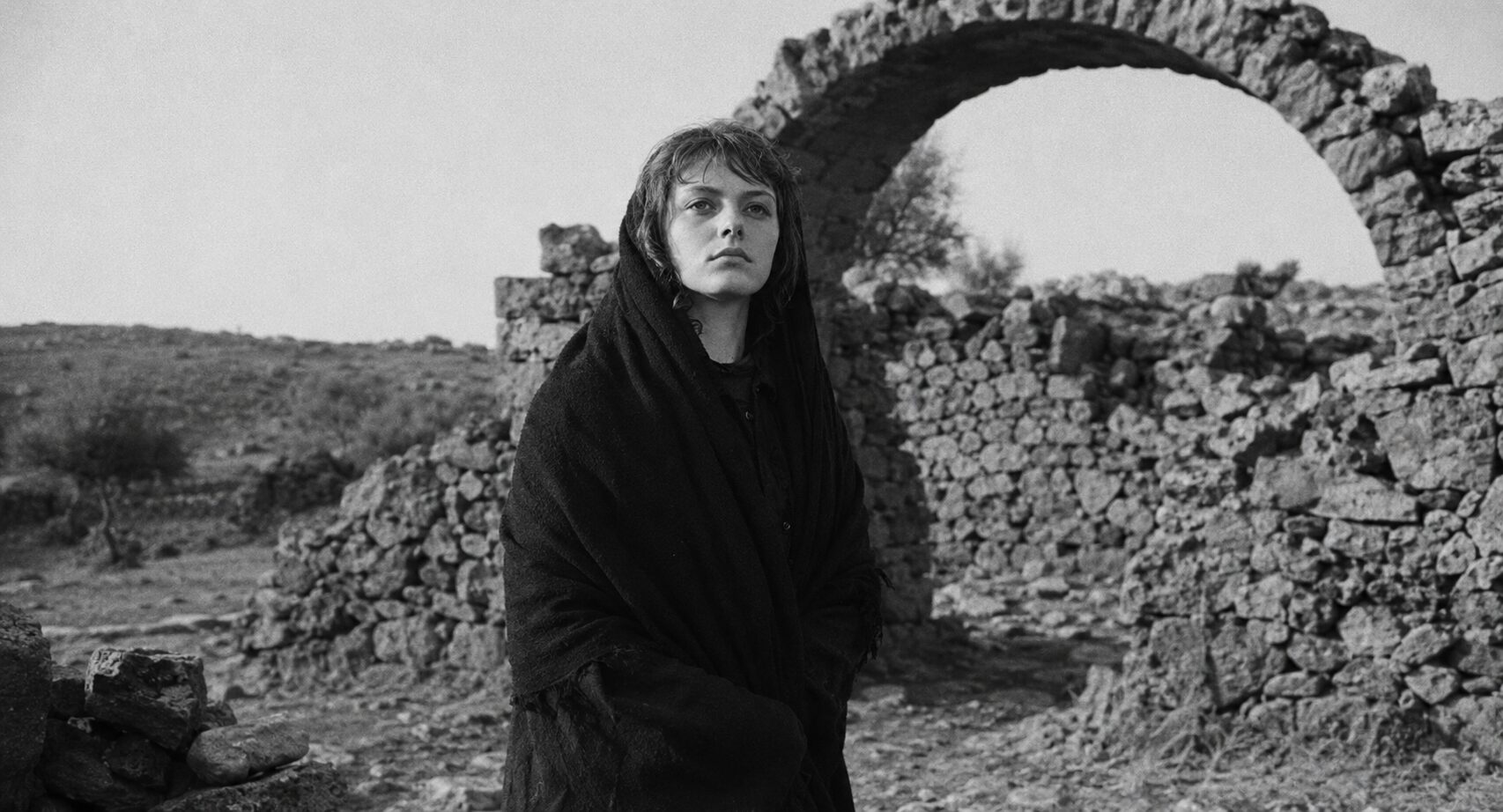
Style Explorations / Consistency test across filmmaking styles using refined headshot and expression matrix as anchors / Chat GPT Image 2